The federal government's planned announcement on reducing Australia's net migration has been postponed at the last minute, with Home Affairs Minister Tony Burke unable to finalise all elements of the plan in time. The measures were due to be unveiled on Thursday but were abruptly delayed.
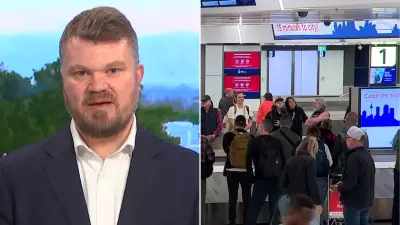
The postponement comes as Labor faces mounting pressure from One Nation to bring down net migration numbers. However, Australian National University Migration Hub director Professor Alan Gamlen told Sunrise that the focus on net migration risks overlooking the biggest challenge facing Australia's immigration system.
Temporary migration: the real issue
Gamlen said policymakers should be paying closer attention to the country's rapidly expanding temporary migrant population. He explained that there are two big components to the migration system: the permanent program, which has been capped and stable for decades, and the temporary migration program, which was deregulated about 25 years ago and has mushroomed since then, becoming very volatile after the pandemic.
“There’s been a big growth of backlogs in visa applications and so forth,” he said. Gamlen noted that many of the concerns Australians have about migration are linked to temporary visa-holders rather than the permanent migration program.
Government measures and challenges
“These measures that the government is considering introducing seem to be really about trying to regulate the size and composition of that temporary population, to bring the system back into stability,” Gamlen said. He said issues including migrant exploitation, pressure on housing and infrastructure, and concerns about social cohesion are largely tied to the temporary migration system.
One of the government's biggest challenges is the complexity of Australia's temporary visa arrangements, which can allow people to remain in the country for extended periods by moving between different visa categories. “That gives some lack of control to government over the temporary visa system,” he said.
Pandemic impact and net migration figures
The system has also been affected by the lasting impact of the COVID-19 pandemic. Fewer temporary visa-holders have left Australia than would usually be expected after many were granted extensions during the pandemic, contributing to an imbalance between arrivals and departures.
The government is now considering measures designed to give it greater control over temporary visas, including the ability to prioritise the processing of onshore applications over offshore applications. Gamlen warned that net migration can be a misleading figure when viewed in isolation because it combines several very different movements into and out of the country. Some of those movements are tightly controlled through government visa programs, while others cannot or should not be restricted, including Australians leaving or returning home.