Australia could face economic chaos if the nation doesn't harness locally-held artificial intelligence, experts warn, amid further calls to bolster manufacturing capacity.
For decades, manufacturing has moved offshore. Now the local steel industry is under immense pressure at the same time as experts plead for Australia to get its own slice of the tech boom.
Steel Industry Under Pressure
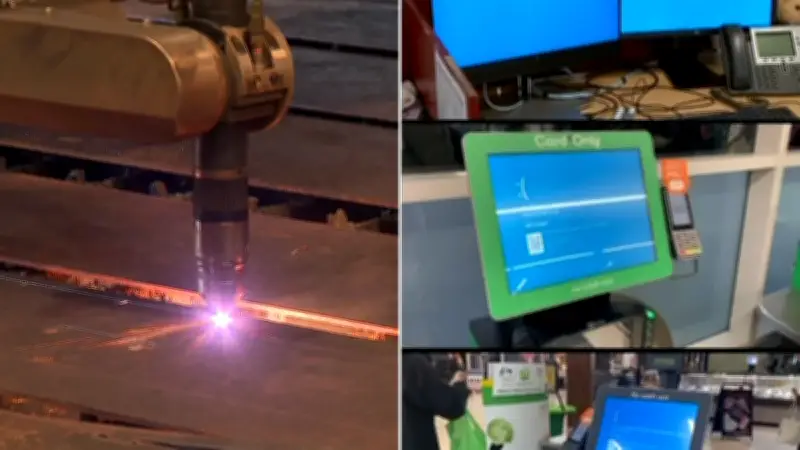
At Lighthouse Engineering, a South Australian fabricator with 48 staff using Australian steel, the yard would normally store five times the current amount of steel it holds. But work has dried up in the past 18 months as cheap prefabricated steel products from overseas flood into Australia.
"We start losing lots of projects, which means we start operating below our capacity," Lighthouse's Basel Naser said.
The irony is the key ingredient in steel is iron ore. Australia exports 900 million tonnes of it annually, more than half the world's supply. But still the nation imports 30 per cent of its steel.
"I don't think those commercial developers understand the amount of quality that goes into building these products," Naser said.
Risk of Disruption
The concern is if local steel production and manufacturing closes in favour of cheaper overseas products, what happens if that foreign supply suddenly stops?
Australia had a taste with oil when tankers ground to a halt in the Strait of Hormuz. Now there are warnings the ship may also have sailed with artificial intelligence.
AI is increasingly part of daily life, commerce and critical infrastructure and there are growing calls for Australia to lay down its own marker in the burgeoning tech field.
"A bunch of countries in Europe starting to build up their own sovereign capability when it comes to a whole range of things. Because they look at the US and they have very real concerns," independent senator David Pocock said.
Until Australia has its own onshore AI businesses, the nation remains at risk of major disruption at the flick of a switch on the whim of a foreign world leader or tech CEO.
"Potentially instantaneously," cybersecurity strategist Luke Irwin warned. "We are entirely contingent and dependent upon the American models and the American businesses in this space."