New South Wales has experienced its busiest winter day in emergency departments on record, with nearly 10,000 people presenting on Monday. The NSW health minister described it as the "biggest ever recorded winter day in history." This surge comes as the government urges Australians to consider alternatives to hospital emergency rooms for less severe illnesses.
Why hospitals are overwhelmed
According to Professor Paul Griffin from the University of Queensland School of Medicine, this time of year is typically busy nationwide, with hospitals seeing cases of flu, RSV (respiratory syncytial virus), and an increase in COVID-19. Emergency departments prioritize the most severe conditions, so non-urgent cases can face long waits.
"If you don't need to go to your emergency department, it does free up valuable resources for them to be able to deal with more emerging cases," Griffin told SBS News. He added that there are several viable options for less urgent conditions, and people should understand where the best place for them to go is.
Three levels of care
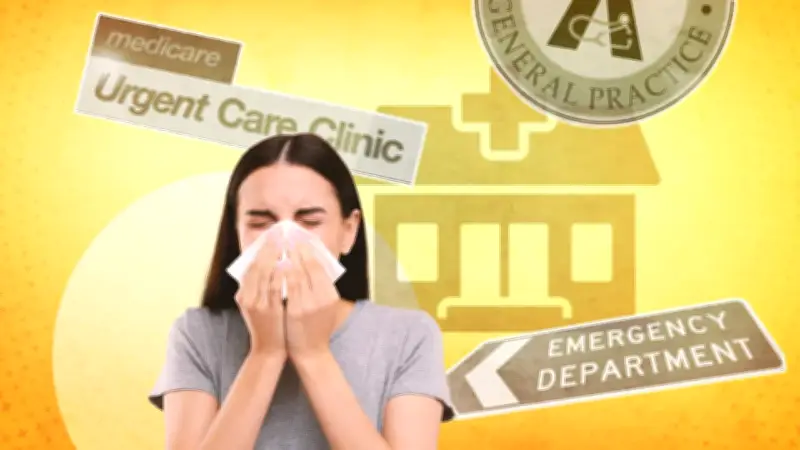
The Australian government has outlined three broad categories of care: routine, urgent, and emergency, each with varying symptom severity. Most health issues can be managed through routine care, which for many means visiting a GP.
Griffin emphasized that GPs are not only a good starting point for receiving care when sick but also help prepare a plan ahead of potential illness, offering health checks, vaccinations, and advice. "If it's something that you're not feeling needs urgent attention, then your GP is often the best place to start to get the care that you need," he said.
For symptoms like chest pain or a worsening respiratory illness, urgent care clinics (UCCs) or hospitals may be more appropriate. "If you're breathing okay, even drinking okay, not systemically unwell, your GP is a really good place to start. If any of those things aren't the case, then I'd have a very low threshold for presenting to hospital," Griffin explained. "Whereas those urgent care clinics are really good for handling things that aren't imminently life-threatening and unlikely to require an admission to hospital."
Since 2023, the government has launched 137 urgent care clinics across the country. A Department of Health spokesperson told SBS News, "Medicare UCCs help reduce pressure on our hospitals and emergency departments, allowing them to focus on higher urgency and life-threatening conditions."
Vulnerable groups and planning ahead
Those at highest risk for severe disease from respiratory viruses include young children and older adults. People with chronic heart conditions, lung conditions, metabolic conditions, diabetes, or kidney problems can also experience worsening illness. Griffin advised vulnerable individuals to be proactive: "Understanding that risk, being proactive in having seen your GP or specialist before and having a plan is a really good way of managing the winter."
If unsure about the best care, Griffin suggested contacting services like Queensland's 13 HEALTH hotline or an after-hours GP. The federal government's free 1800MEDICARE service provides 24/7 health advice from registered nurses and can connect callers to appropriate care, including phone or video consultations with a GP when clinically appropriate.
Vaccination still recommended
It's not too late to vaccinate against common winter viruses. Griffin stressed annual influenza vaccines for everyone, COVID-19 boosters every six to 12 months for high-risk individuals, and RSV vaccines for those over 50 with medical conditions or everyone over 70.