The body of five-year-old Kumanjayi Little Baby was found on April 30, five days after she went missing from a residential town camp south of Alice Springs. The search that followed became the largest the Northern Territory has seen in more than two decades.
At this year's Garma festival, held on Gumatji Country in remote northeast Arnhem Land, the tragedy is being remembered as a powerful example of unity. The festival's theme, Bukmak, means "everyone" in the Yolngu language — a call for togetherness and a celebration of modern Australia's diversity.
Police and community reflect on the search
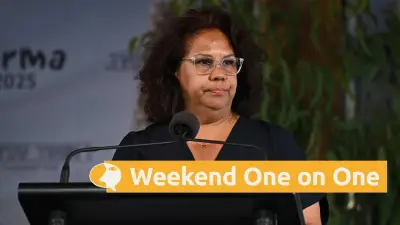
Northern Territory Police Executive Director of Cultural Reform, Leanne Liddle, told the gathering that the search was a momentous display of unity between officers and the community. "We were looking for a little lost girl in pink, we went looking for a little lost Aboriginal girl who was at a Town Camp at the end of the day. We all had a purpose and we all were involved and that was what everybody wanted to do was to find this little girl," she said. "Though it was tragic that we found her, it was closure for the family, particularly mum."
Liddle said an ongoing memorial outside Little Sisters Town Camp is helping the community process the grief. "It's great the whole community was so involved and it wasn't just a community, it was a nation at the end of the day," she said.
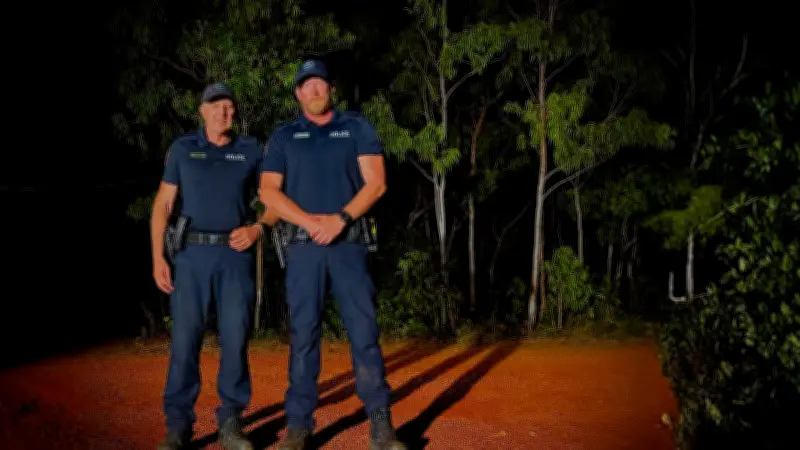
For the officers who led the search, Garma has also become a place of healing. Sergeant Chris Harden, from NT Police Search and Rescue, and search mission coordinator Karl von Minden have spoken publicly for the first time about the operation.
Harden said he was moved by the thanks and prayers offered by people at the festival. "Meeting people today, just thanking us for what we're doing, thanking us for searching, praying for us and praying for the families and our families while we're searching for Kumanjayi Little Baby... I just didn't think people sort of really sort of you know showed that affectional care for us. And yeah it's it's been very, very emotional and just yeah blown away with that response."
Von Minden said the five-day search involved 500 people and created strong bonds with the community. "Overwhelmed by the community support that we've had and the friendship that we sort of made with people as well throughout. It was a bit absolute tragedy that incident that we were we were all brought together to deal with. And hopefully there's outcomes moving forwards that will prevent this in the future."
A pivotal moment for policy
The 26th annual Garma festival is taking place at a pivotal time. A federal inquiry into racism, hate and violence against First Nations people is due to report in September, and there are renewed calls for reform to how deaths in custody are investigated. Those calls follow the death of Kumanjayi White, a 24-year-old Warlpiri man who died after being restrained by police at an Alice Springs supermarket in May 2025.
The festival also follows the Northern Territory government's passage of the Every Child Matters law in July. The law abolishes the principle requiring Aboriginal and Torres Strait Islander children removed from their homes to be kept within their own culture.
Independent MP for Mulka, Yingiya Mark Guyula, criticised the law at Garma. "Last week we saw a new laws that mean more children will be moved and removed permanently from the from the kin, culture and country. These laws bring trauma and damage to our people."
NT Chief Minister Lia Finocchiaro, attending her first Garma, defended the changes. "This is why we're putting the safety of a child first because we believe in their right to be safe, we want them in safe homes with families caring for them and that's why we've been doing for hard work to make sure that everything else."
Land rights and the legacy of the Voice
Land rights were also a major theme. Senior Yolngu Elder Djawa Yunupingu said land rights are "coming home" to Traditional Owners in northeast Arnhem Land, with the launch of a new Aboriginal land council — the Dilak Land Council, formed with 13 Yolngu clans. It plans to pursue tourism ventures, local schools and a Yolngu university. Northern Land Council chairperson Matthew Ryan said he wants to find a way to work with the new council.
Three years on from the Voice referendum, its failure remained a key topic. Noel Pearson, one of the architects of the Voice proposal, said he still carries the weight of having raised hopes in Indigenous communities. "The discrete Indigenous communities of Australia, Aboriginal and Torres Strait Islander overwhelmingly wanted the Voice. The rest of the country did not."
In his first major speech since the referendum, Pearson called for greater federal government intervention in remote NT communities, but insisted the defeat is not a reason to abandon hope. He placed his faith in a new generation of Indigenous leaders, particularly young Aboriginal women.
Yothu Yindi Foundation CEO Denise Bowden echoed that sentiment, urging Australians to remember the past without being defined by the referendum's defeat.
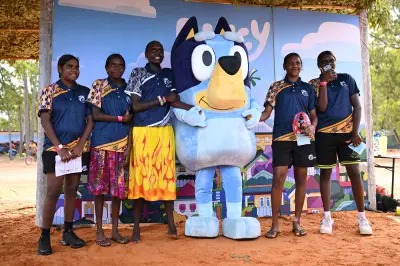
For Mia, a Darwin high school student attending Garma for the first time, the Bukmak theme captured the festival's spirit. "I think it's just really about how at the end of the day where all people and our greatest strength is when we can come together in celebration of the differences that we have, instead of making them divide us."