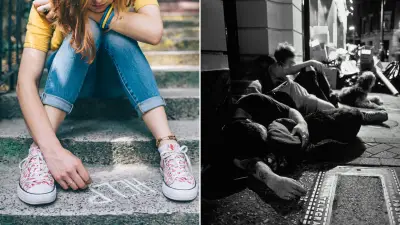
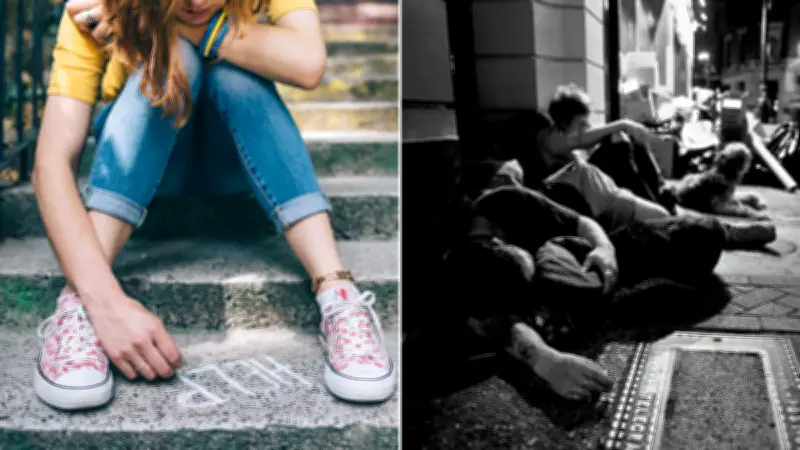
Most Australians picture homelessness as someone sleeping rough on the street, but HoMie CEO Stephanie Say is determined to change that misconception. For thousands of young people, homelessness looks very different: couch surfing, sleeping in cars or fleeing unsafe family homes.
Say, who leads the Melbourne-based streetwear label and social enterprise, spent several years at The Big Issue before joining HoMie. That role gave her an acute awareness of what homelessness really involves in Australia.
Homelessness is largely invisible
Say said the most alarming and misunderstood aspect of homelessness is that it is largely invisible, which explains why most Australians do not grasp how serious the issue is. She noted that many people associate homelessness only with sleeping rough, but in reality it includes anyone without a safe and secure place to call home.
For young people, that can mean couch surfing, living in a refuge, sleeping in a car or staying with relatives. Say said the issue is much broader than the stereotypical image, and once the layers are uncovered, it is quite alarming.
Statistics reveal the scale
According to the latest Census, 25 per cent of Australians experiencing homelessness are aged between 12 and 25. Say believes those figures are likely to be even worse when the next data is released.
“We’re going to see much worse numbers and the lengths that young people are going to, to try to find a safe place to call home is really ... it’s not good enough,” she said. “It’s garbage in a country of our resources.”
Say highlighted that the number of Australians experiencing homelessness on any given night could fill the MCG, a comparison she says helps the average Australian understand the scale.
The real causes of youth homelessness
Say believes one of the biggest misconceptions is why young people become homeless. Many assume it is the result of poor decisions, but she said most young people experiencing homelessness are there through no fault of their own.
“The biggest cause of homelessness for young people is being forced to flee their family home due to domestic violence,” she said. “Then the lack of affordable housing makes it difficult for them to find another stable home.”
Recent research by HoMie found more than half of Australians believe becoming homeless is a personal choice for young people, highlighting the stigma the organisation is working to challenge. Say called it a systemic failure, not a personal failure.
She noted that young people are unemployed at twice the rate of the broader Australian population, creating a perfect storm when home is not an option, affordable housing is scarce and jobs are hard to find.
HoMie’s approach and the Global Impact Summit
Say said she was drawn to HoMie because it offers an aspirational environment where young people can access opportunities, confidence and practical support. All profits from the streetwear label are reinvested into four programs that help young people experiencing homelessness build brighter futures.
Seeing participants come full circle and become advocates for the organisation is one of the most rewarding parts of her role. “We offer something that’s very unique, very special and we see really incredible outcomes for the young people we work with,” Say said.
HoMie will take part in this year’s Global Impact Summit, an initiative of Charitabl, running from August 5 to 6. The summit brings together corporates, funders, social enterprises and not-for-profits to tackle Australia’s biggest social challenges.
“We are pretty excited about the opportunity to connect with other like-minded organisations,” Say said. “Individuals that are all rowing in the same direction for a shared and collective goal.”