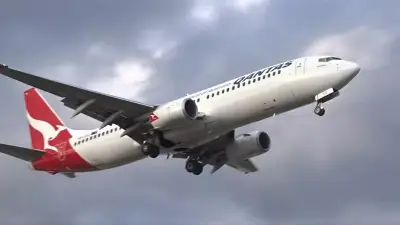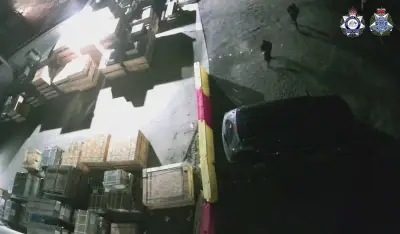

Two Qantas passenger aircraft nearly collided at Sydney Airport on July 27 when one plane, which had recently landed, was cleared to cross the main runway at the same time another was landing. No one was injured and the planes were not damaged.
Investigation into Staff and Procedures
The Australian Transport Safety Bureau (ATSB) is investigating the incident, focusing on the experience level of staff, including air traffic control, and how long they had been on duty that day. ATSB chief commissioner and chief executive Angus Mitchell said, "We do know that there has been some significant stresses on the entire ecosystem. Our job is to understand whether any of those stresses played a role in what occurred."
Mitchell added, "Thank God that both of those aircraft did stop prior to getting to that ... intersection point," and noted "the potential for something far worse is certainly there."
Airservices Australia Response
Airservices Australia, the government-owned organisation responsible for safe air traffic management, has stated that safety is its top priority. Chief executive Rob Sharp, speaking at an aviation summit in Sydney, said, "Safety's number one for us" and that every incident is taken "seriously." He highlighted the organisation's safety management system, including a fatigue management system, noting that "It's actually quite a small portion of our shifts (that) would be deemed to be fatiguing."
Sharp also said, "We have well-honed protocols to look at the staff, how we handle them — we support our staff as well through any particular incident. We'll wait for the findings."
Qantas and ATSB Statements
Qantas has backed its pilots, stating that the Boeing 737 and DHC-8 were "cleared to proceed following instructions from air traffic control." The ATSB has described the incident as a "breakdown of coordination," with a report being prepared.
Mitchell told Sunrise on Thursday that such incidents are not uncommon, with about 60 similar reports made each year. Only a small number are ultimately classified as serious. He explained that air traffic controllers use a digital system to coordinate aircraft movements on the ground, but pilots also have "a responsibility around clearing the way ahead of them."