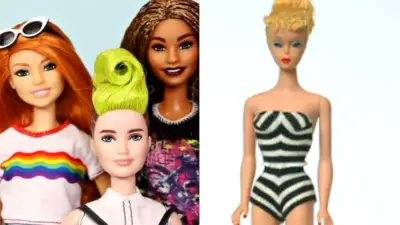
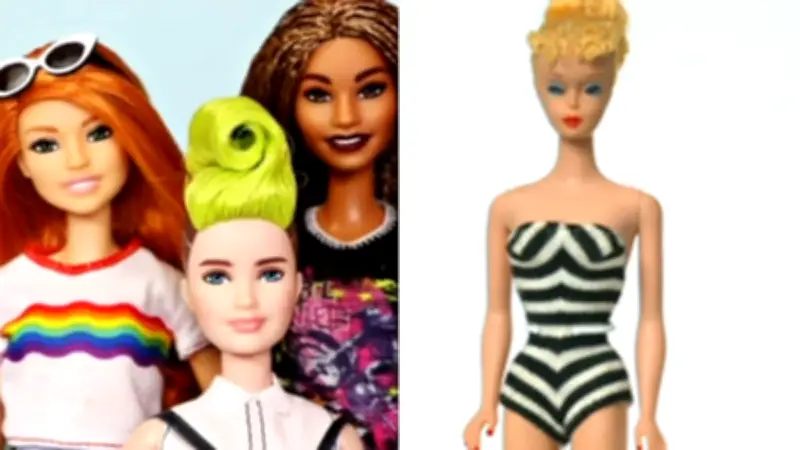
Barbie, the world's most famous doll, is undergoing her biggest transformation yet, with researchers finding her body is now far closer to real women than ever before.
Nearly 70 years after she first hit shelves, new analysis from Adelaide University and the University of New South Wales shows the Fashionista range has quietly shifted away from the extreme proportions that defined the original 1959 doll.
Key findings
Researchers measured key body ratios across the collection and found today's designs — especially curvy Barbie — sit much closer to real-world averages.
“She is now closer to reality,” UNSW researcher Belinder Durey said.
Associate Professor Sara Grafenauer told 7NEWS the issue was never Barbie's bust.
“It was actually her waist. Her waist was way too thin,” she said.
Pressure on Mattel
She believes pressure on Mattel may have been building for years.
“There possibly would have been some pressure on Mattel over a long period of time,” she said.
Experts say dolls do more than entertain, they shape how children see themselves. Exposure to unrealistic bodies can distort a child's sense of what's normal.
Impact
The original Barbie was so extreme she reflected the appearance of fewer than one in 10 million women. Curvy Barbie represents one in a thousand.