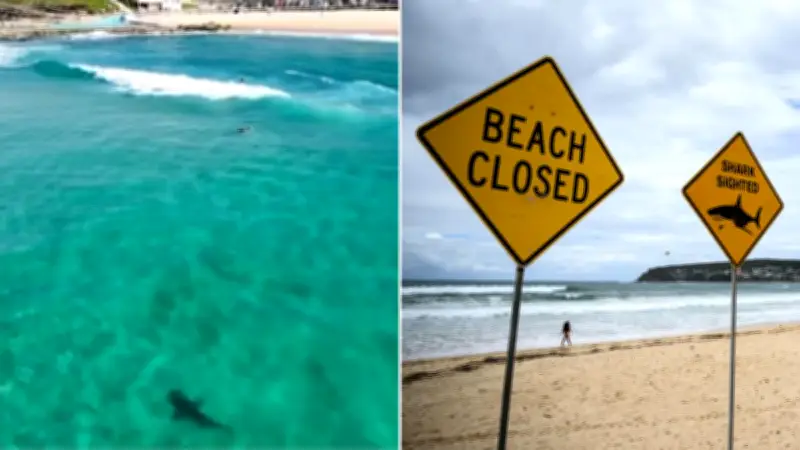
A bodyboarder came within one metre of a suspected great white shark at Curl Curl Beach on Tuesday, but no alarm was triggered by the new drone surveillance system. The surfer was left to warn others and clear the water himself.
The shark alarm finally sounded more than an hour after the encounter, intensifying scrutiny of the NSW Government’s $87 million drone program, which was deployed at beaches including Bondi, Tamarama and Maroubra in June.
Expert says expectations are unrealistic
Associate Professor Chris Pepin-Neff from the University of Sydney told Sunrise that Australians need to reset their expectations of the technology. “Sharks have been swimming along the coast for six million years. The program has been in effect for six weeks,” he said.
Pepin-Neff warned the system cannot detect every shark and that more sightings are likely. “There are going to be more shark alarms. There are going to be more shark sightings. That does not mean there’s more sharks, and they’re not coming after us, but we’re looking for them now.”
Limitations of drone technology
The academic noted that constant coverage was never realistic. “It’s not like there’s an army of 10 drones out at once patrolling the area. The shark could be on the left, and the drone could be on the right,” he said.
Environmental factors such as glare, cloud, wind and rain also affect visibility. Pepin-Neff added that El Niño conditions are bringing white sharks closer to shore in several global regions, including Sydney, but Australia is not unique. “We are not special,” he said.
Concerns from surf lifesavers
Pepin-Neff said surf lifesavers fear they could be blamed if a shark bite occurs while drones are operating. “They’re scared that if there’s a drone in the air and there’s a shark bite that they’re going to get blamed. And we need to reassure them that everyone can do everything right and things still happen in the ocean.”
Despite current limitations, the expert said AI-powered unmanned drones will improve surveillance. “The good news is that there are going to be unmanned drones that don’t require anybody to even look at anything. They’re going to be rolled out, and AI is getting better.”